
Frozen Tilapia Fillets Supplier in China
IQF, boneless, skinless and custom-packed tilapia fillets for importers, wholesalers, foodservice distributors and private label seafood buyers.
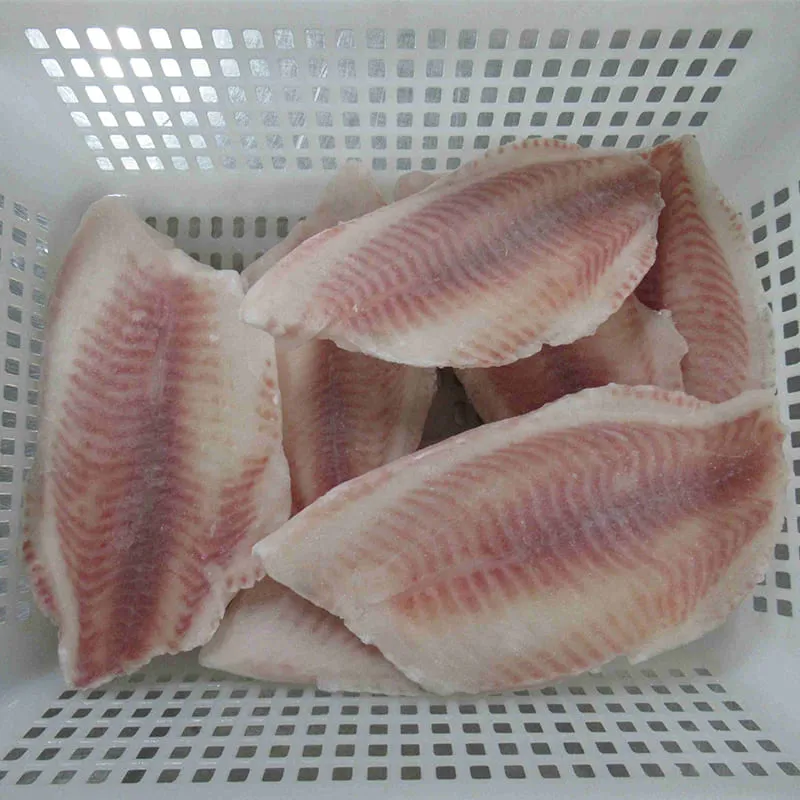
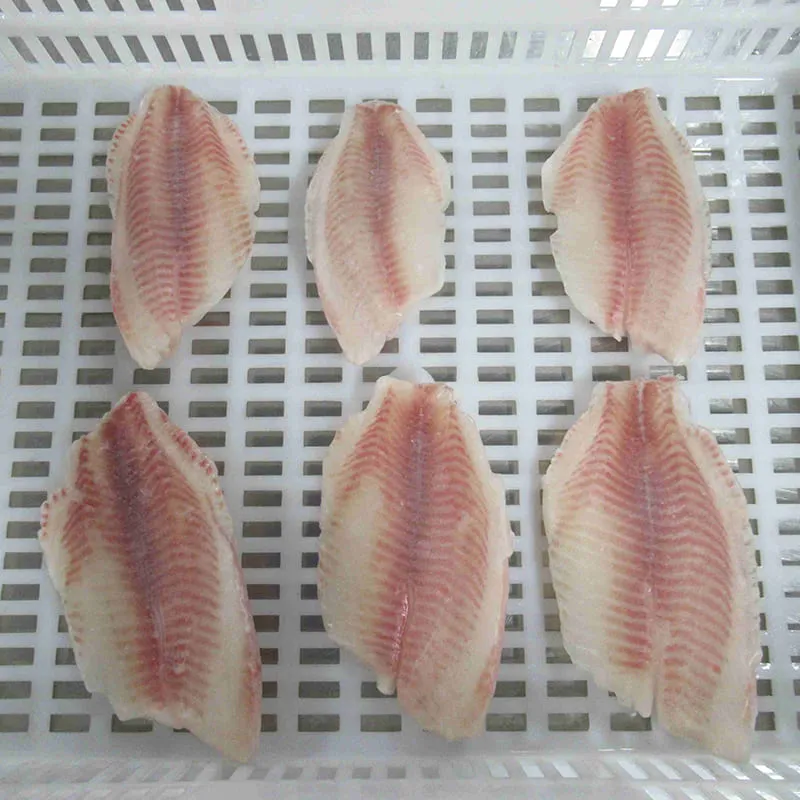
Frozen Tilapia Fillets for Wholesale and Foodservice Supply
When importers, wholesalers, foodservice suppliers, and private label clients source Frozen Tilapia Fillets, simply checking the product name is not enough. Bulk buyers must confirm the skinning depth, trimming standard, size grading, PBO requirement, glazing percentage, packing format, and destination label details to avoid mismatch between sample and commercial delivery.
Youngfor Fishery focuses on clarifying these specifications before quotation. By defining the exact fillet type, size range, trimming level, glazing percentage, packing format, and destination-market requirements, we help buyers establish a clear standard, reducing the risk of broken edges, excessive water weight, or label non-compliance upon arrival.
Core Specification Summary
- Product: Frozen Tilapia Fillets
- Processing: Deep Skinned / Shallow Skinned / Skin-On
- Freezing: IQF (Individually Quick Frozen)
- Bone Control: Boneless / PBO (Pin Bone Out)
- Packing: IVP / Retail Bag / Bulk Pack
- Glazing: Customized by order net weight requirements
- Use: Wholesale, Foodservice, Retail Packing, Processing
Frozen Tilapia Fillet Options We Can Discuss for Your Market
Different sales channels require specific skinning and trimming standards. We configure production based on your actual distribution needs.
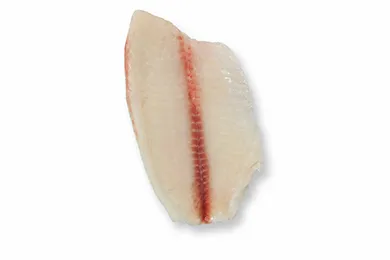
Deep-Skinned Frozen Tilapia Fillets
Scenario: Importers supplying retail packing or higher-end foodservice channels.
Constraint: Buyers face complaints if fillets show visible subcutaneous fat, dark meat, or red lines.
Solution: We confirm deep-skinned processing and trimming review before freezing.
Benefit: Helps maintain appearance consistency and reduces rejection risks from retail clients.
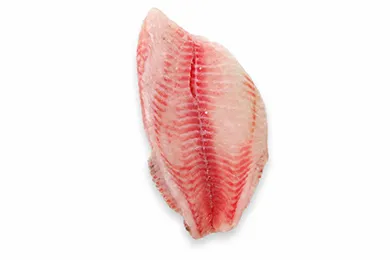
Shallow-Skinned Frozen Tilapia Fillets
Scenario: Wholesalers supplying regular catering and cost-sensitive distribution channels.
Constraint: Yield loss from deep skinning makes portion costs unviable for certain menus.
Solution: We implement shallow-skinned processing while monitoring size range and carton weight.
Benefit: Supports carton consistency and better cost control for high-volume catering.
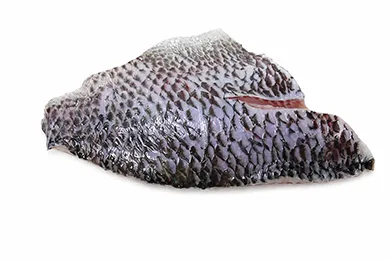
Skin-On Frozen Tilapia Fillets
Scenario: Specific foodservice markets or secondary processing factories.
Constraint: Skinless fillets may lack structural integrity for certain cooking methods.
Solution: We provide the skin-on option with strict scaling and packing confirmation.
Benefit: Maintains fillet integrity during handling and meets specific culinary requirements.
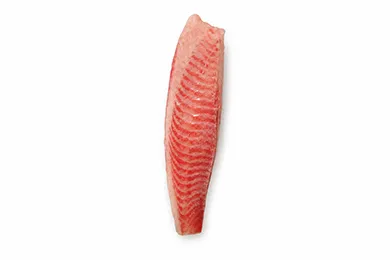
Frozen Tilapia Fillet Portions
Scenario: Retail bag programs or foodservice buyers needing exact fixed weights.
Constraint: Standard natural fillets vary too much in weight for fixed-portion menus.
Solution: Cut portions based on agreed dimensions. Availability should be confirmed before quotation according to required portion size, packing style and order quantity.
Benefit: Allows precise portion-cost planning for restaurants and uniform retail presentation.
Frozen Tilapia Fillets Specifications to Confirm Before Quotation
| Specification Item | Available Options | Why Buyers Should Confirm It |
|---|---|---|
| Product Form | Deep skinned, shallow skinned, skin-on, portions | Avoids mismatch between sample and bulk order |
| Skin Type | Skinless or skin-on | Affects appearance, trimming and market acceptance |
| Bone Control | Boneless / PBO | Reduces complaint risk in retail and catering channels |
| Trimming | Normal trimmed / well trimmed | Controls dark meat, belly meat, red line and edge appearance |
| Size Range | 2–3 oz, 3–5 oz, 5–7 oz, 7–9 oz, 9–11 oz or confirmed by order | Supports carton consistency and portion-cost planning |
| Freezing | IQF | Helps maintain individual fillet separation during handling |
| Packing | IVP, retail bag, bulk pack, private label carton | Matches wholesale, foodservice and retail distribution needs |
| Glazing | Customized percentage by order | Helps align payment terms with actual fish weight |
| Treatment | CO / Non-CO, moisture-retention treatment or untreated option | Supports destination-market compliance and label clarity |
| Label Details | Product name, net weight, gross weight, production date, lot number, local language | Reduces customs, resale and warehouse disputes |
How We Help Buyers Reduce Common Frozen Tilapia Fillet Risks
For more details about size, glazing, packing and pre-shipment checks, visit our Quality Control page.
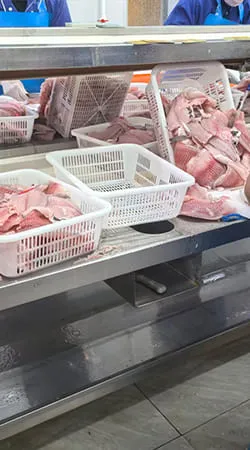
1. Trimming and Skinning Standard
What We Check: deep skinned, shallow skinned, skin-on, belly meat, red line, dark meat, broken edges.
Evidence Buyers Can Request: processing photos, product photos, sample approval photos.
2. PBO and Bone Control
What We Check: boneless claim, PBO requirement, manual checking or production-stage review when applicable.
Evidence Buyers Can Request: processing inspection photos, pre-shipment product inspection photos.
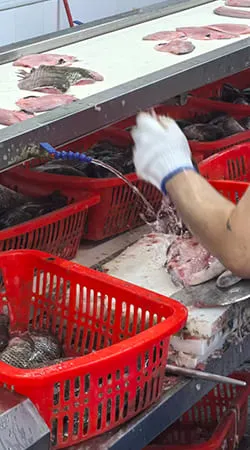
3. Fillet Size and Thickness Consistency
What We Check: individual fillet size, carton mix, portion range, broken-piece ratio.
Evidence Buyers Can Request: size grading photos, random carton opening photos.
4. Glazing and Net Weight
What We Check: glazing percentage, carton weight, net weight, deglazed weight if required.
Evidence Buyers Can Request: weighing photos, carton photos, inspection record.
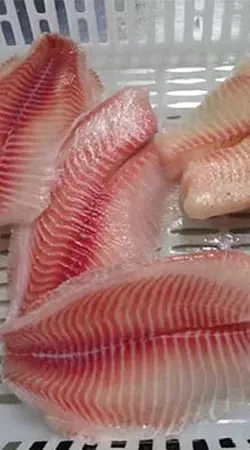
5. Treatment Transparency
What We Check: CO or Non-CO, moisture-retention treatment, added-water declaration, destination-market requirement.
Evidence Buyers Can Request: confirmed specification sheet, label review, buyer-approved order details.
6. Color, Odor and Batch Consistency
What We Check: fillet appearance, color range, off-odor risk, freezer burn, batch condition.
Evidence Buyers Can Request: product photos, processing photos, batch review before loading.

7. Cold Chain and Broken Fillets
What We Check: IQF condition, carton status, storage preparation, loading process.
Evidence Buyers Can Request: cold storage photo, loading photo, container number and seal number.
8. Residue, Label and Pre-Shipment Review
What We Check: drug residue testing requirement, product name, lot number, production date, carton label, destination documents.
Evidence Buyers Can Request: laboratory photo, available test report if applicable, carton label photo, pre-shipment loading record.
Processing, Cold Storage and Loading Evidence for Export Buyers
Learn more about our processing, cold storage and loading scenes on the Facilities page.

Processing Facilities
For fillet orders, processing photos help buyers review trimming condition, fillet appearance, packing preparation and order-specific requirements before shipment. This is especially useful when the buyer needs deep-skinned, shallow-skinned, PBO or private label packing confirmation.
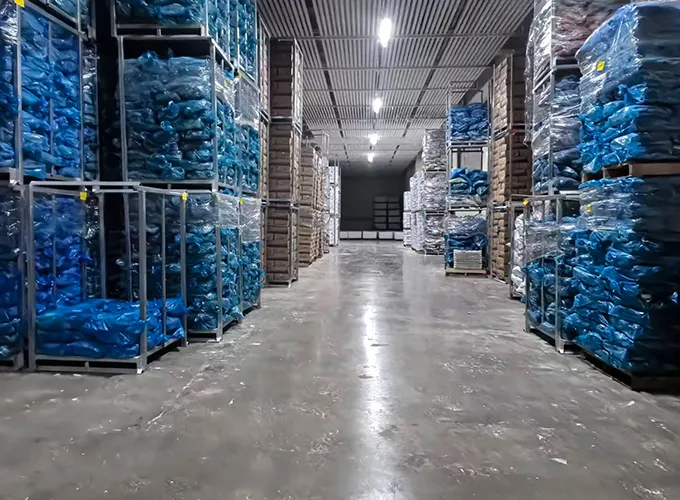
Cold Storage
Frozen cartons should be separated by product name, packing style, production date and lot number before loading. For buyers planning container orders, cold storage photos and carton condition review can help reduce confusion between batches or packing versions.
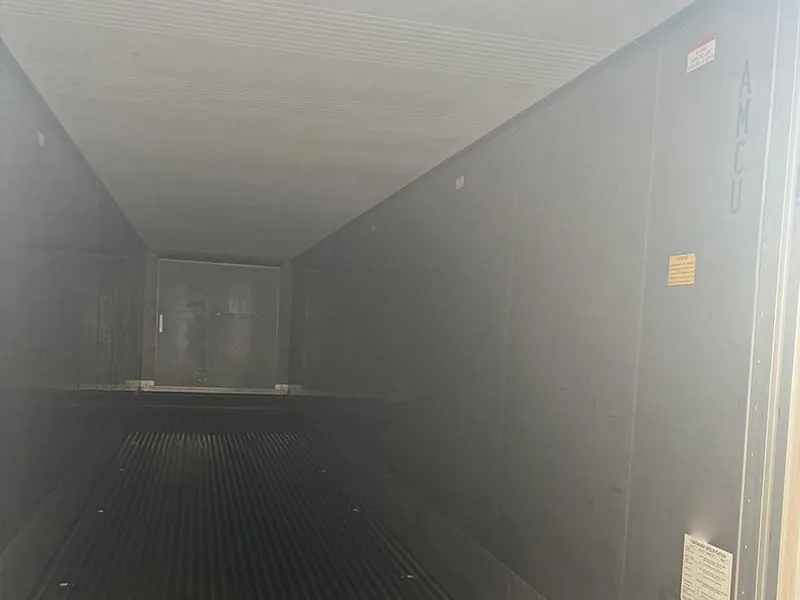
Loading & Export
Before the reefer container departs, loading photos, carton marks, container number and seal number can be recorded when available. This gives importers additional reference when checking shipment documents and warehouse receiving records.
SEQ: Specification, Evidence and Quote Preparation
S — Specification
Confirm fillet type, size range, trimming level, PBO requirement, glazing percentage, packing format, destination port and label language before production planning.
E — Evidence
Request processing photos, product photos, carton label photos, residue testing information, cold storage photos or loading records according to your order stage and inspection needs.
Q — Quote Preparation
Send quantity, target size, packing style, net weight, glazing requirement, destination port and private label files if available, so our team can prepare a quotation based on actual order specifications.
Packaging Options for Wholesale, Foodservice and Private Label Orders
Packaging should be confirmed before production, especially for private label artwork, destination-language labels, net weight, glazing declaration, production date and lot number.

IVP Packing
Ideal for: retail packs, foodservice distribution, better individual fillet handling.
We verify individual vacuum pack integrity, carton weight, and label confirmation to ensure each fillet is properly protected against freezer burn.

Retail Bag or Rider Bag
Ideal for: supermarket, frozen seafood distributors, branded resale.
We require early confirmation on bag design, local language label, barcode, or carton mark if required to synchronize printing with production schedules.

Bulk Pack
Ideal for: foodservice, processing factories, wholesale cartons.
Standardized carton weight with a protective inner bag, designed to withstand frozen handling and streamline warehouse receiving processes.
Inspection Flow Before Frozen Tilapia Fillets Shipment
See our full frozen fish quality inspection process.
Order Specification Review
Confirming skinning, trimming, glazing, and packing details before production starts.
Raw Material and Fillet Appearance Check
Evaluating fresh fillets for color consistency and off-odor risks.
Skinning, Trimming and PBO Review
Monitoring deep/shallow skinning, dark meat removal, and bone control.
Size Grading and Weight Check
Sorting fillets into agreed size ranges (e.g., 5-7 oz) to maintain carton consistency.
IQF, Glazing and Packing Check
Verifying IQF status, applying customized glazing percentage, and packing per order.
Carton Label and Lot Number Review
Checking product name, net weight, production date, and lot number on labels.
Random Carton Opening Before Shipment
Conducting a final visual and deglazed weight check on randomly selected cartons.
Loading Photos & Container Seal
Recording loading photos, container number, and seal number for documentation.
Who We Supply Frozen Tilapia Fillets For
Importers
Focus: container orders, destination documents, carton labels, residue testing requirements, pre-shipment photos.
We align production with import compliance, ensuring all paperwork and label declarations match customs expectations.
Wholesalers & Distributors
Focus: carton consistency, size range, warehouse receiving, resale channels, bulk pack.
We maintain strict size grading and carton weight controls to prevent disputes during secondary B2B distribution.
Foodservice Suppliers
Focus: 5–7 oz or agreed portions, boneless / PBO, cooking yield, broken-piece ratio, IQF handling.
We verify trimming levels and IQF condition so chefs receive intact fillets with predictable portion costs.
Private Label Buyers
Focus: retail bag, IVP, local language label, barcode, artwork approval, production date, lot number.
We integrate your branded packaging files into the production run, ensuring accurate dates and lot tracking.
FAQ About Frozen Tilapia Fillets
Common supply chain and specification questions from wholesale buyers.
What are the main types of Frozen Tilapia Fillets available?
Can you supply IQF boneless skinless tilapia fillets?
What size ranges are available for Frozen Tilapia Fillets?
How do buyers confirm glazing and net weight?
Can you support private label packaging?
What should buyers confirm before ordering?
Can buyers request pre-shipment photos?
Do you provide residue testing support?
Send Your Frozen Tilapia Fillets Requirements
To prepare a quotation for Frozen Tilapia Fillets, please send your fillet type, size range, quantity, glazing percentage, packing style, label requirements, destination port and any inspection or residue testing requirements.
If you need private label packing, please also share artwork files, retail bag size, carton mark details and target shipment schedule.