
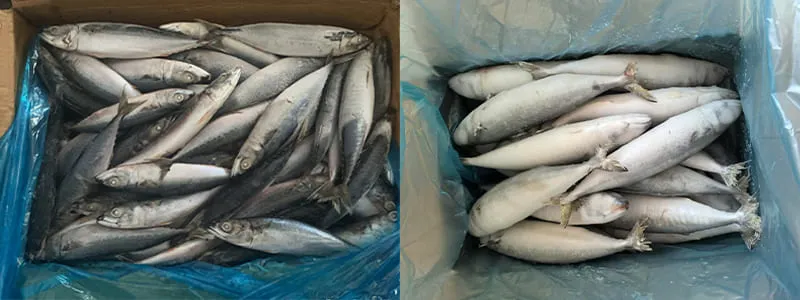
BQF uses a compact block format; IQF uses individually separated units. IQF may suit flexible withdrawal, repacking, or redistribution; BQF may suit bulk storage or planned batch handling.
Neither format is universally better—confirm the product form, packing, net weight, glazing where applicable, and downstream use with the supplier before ordering.
What is BQF frozen fish?
BQF frozen fish is fish or fish product supplied as a compact frozen block rather than as loose, separately removable units.
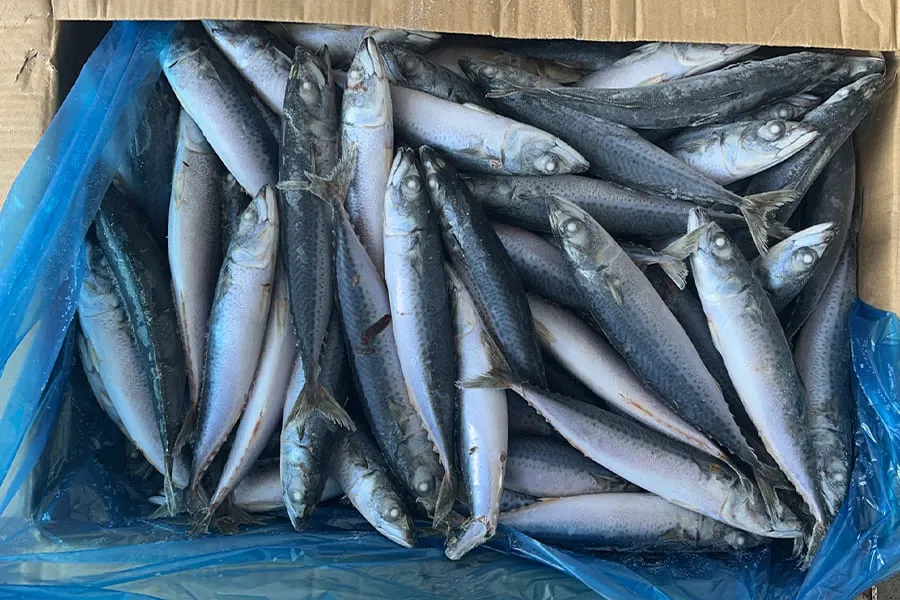
FAO describes fish blocks as large, compact blocks that can be stored at high density and are commonly frozen in bulk for later processing. FAO’s fish-freezing guidance uses the technical term “fish blocks.”
A block format may fit planned batch handling or further processing. Confirm the product arrangement, inner liner, interleaving, glazing where applicable, net weight, and carton design because these details determine how the block can be handled after arrival.
What is IQF frozen fish?
IQF frozen fish is fish frozen as individual fillets, whole fish, portions, or other units that remain separate after freezing.
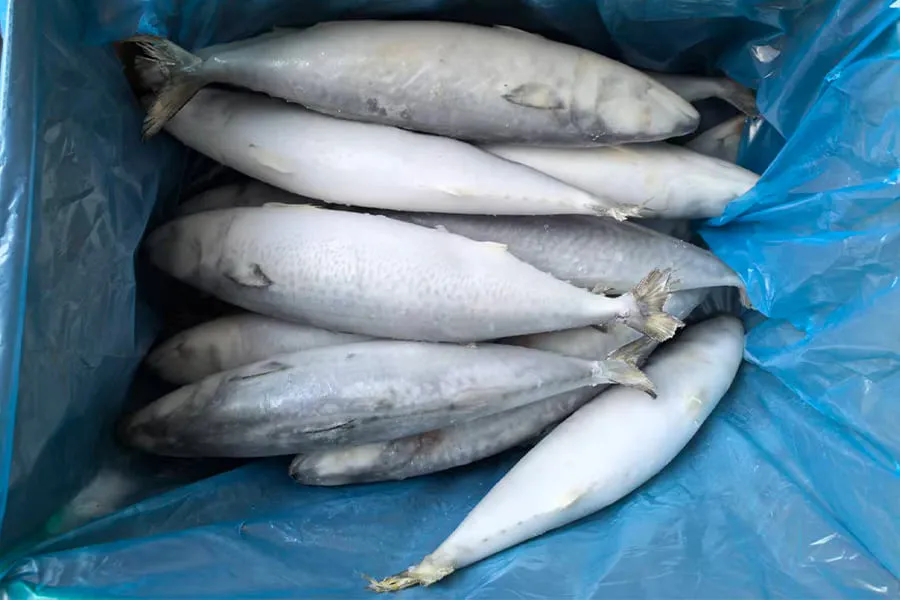
FAO defines IQF products as separate after freezing, allowing quantities to be removed from storage as needed. FAO planning and engineering data
Separated units may suit portioning, repacking, or fulfilment in smaller quantities. Confirm the inner packing and unit condition because “IQF” does not replace the rest of the purchase specification.
BQF vs IQF Frozen Fish Comparison Table
BQF is a compact block format; IQF keeps individual units separated after freezing. IQF may be more suitable where flexible withdrawal or redistribution is required, while BQF may suit bulk or planned batch handling. Neither format is universally better; packing and downstream handling determine the right choice.
| Buyer consideration | BQF / block frozen format | IQF format | What this means for the buyer |
|---|---|---|---|
| Freezing format | Product is supplied as a compact block. | Product units remain separate after freezing. | Choose based on whether downstream operations need a block or access to individual units. |
| Product separation | Units may be held together in the block; pack construction matters. | Individual fish, fillets, portions, or units are intended to remain separate. | Confirm whether your team must break down, thaw, or otherwise handle a block before redistribution. |
| Packing format | Often requires attention to block arrangement, liner, protection, and carton details. | Often requires attention to inner-bag integrity, free-flowing condition, and carton details. | Do not compare cartons alone; request the full inner-pack and net-weight specification. |
| Handling | Assess for planned batch movement and the product’s physical protection. | Can make selecting individual units more convenient. | Match the format to warehouse handling and the quantity your customers normally buy. |
| Repacking convenience | May suit planned batch processing; some interleaved blocks may allow individual fillets to be removed. | May be more convenient where separated units are needed for portioning or redistribution. | Ask whether the product is intended for repacking and whether the pack allows the planned handling method. |
| Distribution use | May fit bulk storage or further-processing workflows. | May fit channels requiring flexible unit selection. | The sales channel, not the label alone, should drive the choice. |
| Buyer checks | Confirm block dimensions/arrangement, inner protection, net weight, glazing where applicable, and intended downstream use. | Confirm unit separation, product form, inner pack, net weight, glazing where applicable, and downstream handling. | Treat the freezing format as one line in a complete order specification. |
The table gives format-level guidance, not a guarantee about a particular supplier’s product. FAO also notes that interleaving in large blocks can allow individual fillets to be removed without thawing the whole block. That is why “block frozen” should never be treated as enough information by itself. FAO quick-freezing guidance
What the difference means for packing, handling, and redistribution
The format affects how product is packed, removed, protected, repacked, and distributed. Confirm these downstream requirements before selecting BQF or IQF.
Packing is more than the carton label
Packing must be specified beyond the carton label. Confirm product arrangement, inner bag or liner, interleaving where relevant, net weight, and glazing where applicable before comparing BQF and IQF offers.
With BQF, confirm whether the block is intended for bulk storage, planned batch processing, or direct distribution. With IQF, confirm that units are genuinely separated at receipt and identify the inner-pack format that protects them during handling. These are procurement questions, not assumptions that can be made from the abbreviation.
Repacking and redistribution need a handling plan
IQF may be more convenient when smaller quantities must be selected for foodservice, smaller wholesalers, or regional distribution; a block format may suit planned batch processing. This is conditional: interleaving may change how a block is used, and an IQF pack may still be unsuitable for a given repacking line, portion size, or label format. Define the downstream step, then confirm the format and pack with the supplier.
Storage discipline applies to both formats
BQF and IQF do not remove the need for cold-chain control. FAO notes that frozen-fish quality is affected by freezing, storage, and distribution practices, while the FDA warns that frozen seafood can spoil if it thaws during transport and remains warm too long. FAO cold-storage guidance and FDA seafood guidance
At receipt, check product condition, carton integrity, storage capability, and handling procedures for the actual shipment. BQF or IQF is not a substitute for a cold-chain and inspection plan.
How wholesalers and importers should choose
- Choose IQF for a loose-unit requirement. It may suit smaller withdrawals, portion selection, or flexible redistribution. Confirm that product form and pack fit the operation.
- Assess BQF for planned batch handling. A compact block may fit a defined bulk or further-processing step. Confirm block construction and downstream handling.
- Complete the purchase specification before deciding. If the downstream model is mixed or uncertain, request the freezing format and detailed pack description before selecting an offer.
Does every frozen fish product support both BQF and IQF?
No. A buyer should never assume both formats are available for every species, product form, size range, processing form, or order.
Availability and the exact combination of product, freezing method, packing, glazing, and net weight require confirmation for the specific order.
Confirm the product form, freezing format, packing, glazing where applicable, and net weight with the supplier before using them in an inquiry, purchase order, or product claim.
A confirmed product example: Frozen Pacific Mackerel
Youngfor Fishery’s Frozen Pacific Mackerel is a useful, limited example of why buyers must confirm the exact combination. For its Whole Round Pacific Mackerel, the confirmed options are:
- Sea Frozen + BQF
- Land Frozen + IQF
Those pairings apply to this documented product example only. Do not infer any other pairing or treat this example as a rule for other fish products.
Importer order checklist
Before placing an order, confirm these points in writing:
- Product identity: product name, species identification where required, product form, and size range.
- Freezing format: BQF/block or IQF.
- Physical presentation: compact block, separated units, interleaving where relevant, and inner-pack arrangement.
- Carton and weight specification: carton configuration, agreed net weight, and glazing requirement where applicable.
- Downstream use: whether the product will be sold as received, repacked, redistributed, or further processed.
- Cold-chain handling: receiving, cold-storage, and handling requirements for the intended supply chain.
- Destination-market requirements: documentation and labelling requirements that apply to the order.
FAQ
Is IQF always better than BQF frozen fish?
No. IQF can be useful where separated units are needed, while a block may fit planned batch handling or further processing. The right choice depends on the product, pack, and sales channel.
Can a buyer remove individual pieces from a block-frozen pack?
Sometimes. FAO notes that interleaving can enable individual fillets to be removed from a large block. Confirm the actual product arrangement rather than assuming this is included.
Can an importer order either format for every fish product?
No. Confirm the specific product form, size, freezing format, packing, and order requirements with the supplier before placing the order.
Discuss your frozen fish requirements
Importers, wholesalers, and distributors can submit the following details to support a clear specification discussion:
- Fish species
- Product form
- Size
- BQF or IQF requirement
- Packing requirement
- Destination market
This information helps the supplier confirm an appropriate product and packing specification before ordering.