Skip to content

If you’ve ever wondered what makes freshwater tilapia grow so well in ponds, lakes, and rivers, a big part of the answer lies in their diet. Tilapia are natural grazers, and in the wild, they feed on a wide variety of foods—from algae to tiny insects. Even in farm environments, their diet is carefully planned to ensure they grow healthy and maintain a mild, versatile flavor that’s popular worldwide.
Freshwater tilapia eat a diet rich in algae, plants, and small insects. In farms, they are often fed specially formulated pellets that mimic their natural diet, ensuring balanced nutrition for optimal growth.
Understanding what tilapia eat helps us appreciate the quality and flavor they bring to our tables. Let’s dive into the specifics of their diet, both in the wild and farming setups.
What Do Tilapia Eat in the Wild?
In natural environments like lakes and rivers, tilapia can adapt their diet based on what’s available. These fish are omnivores, meaning they eat a mix of plant material and small aquatic animals.
In the wild, tilapia feed on algae, plankton, plants, and occasionally small insects, giving them a balanced, nutrient-rich diet.
Exploring the Natural Diet
Tilapia are known as “filter feeders,” meaning they often graze on algae and plankton floating in the water. This diet provides essential nutrients and keeps the fish healthy and energetic. Algae, in particular, play a huge role, as they’re rich in protein and easy for tilapia to digest. This natural diet supports the fish’s growth and gives wild-caught tilapia a unique flavor and texture that some consumers prefer.
| Food Source | Nutritional Benefit |
|---|---|
| Algae | High in protein, easy to digest |
| Plankton | Provides vitamins and minerals |
| Aquatic Plants | Fiber and essential minerals |
| Small Insects | Extra protein and micronutrients |
What Do Farmed Tilapia Eat?
In a farm environment, tilapia are given a diet that closely mimics their natural feeding habits, with a few adjustments to support faster growth and consistent quality.
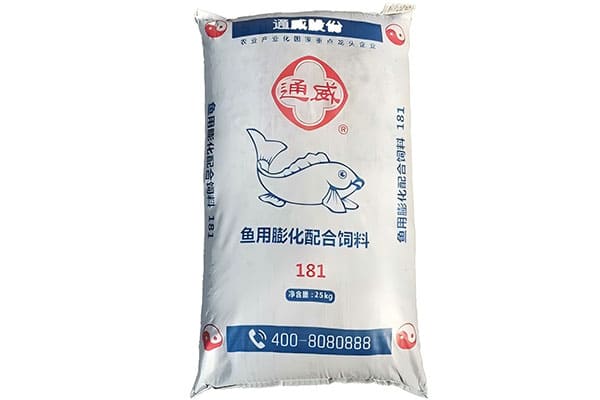
Farmed tilapia are typically fed pelletized feed made from plant-based ingredients like soy and corn and algae or other protein sources to meet their dietary needs.
Pelletized Feed: The Core of Tilapia’s Diet
The main diet for farmed tilapia consists of specially formulated pellets that combine essential nutrients. These pellets are plant-based, often including soy, corn, and wheat. The pellets may also contain algae or fishmeal to boost protein levels. This feed ensures the fish grows steadily while maintaining the mild, clean taste consumers love. By providing balanced nutrition, farmers can raise high-quality tilapia while reducing the environmental impact often associated with fish farming.
| Feed Ingredient | Purpose |
|---|---|
| Soy | High-protein, plant-based energy |
| Corn | Provides carbohydrates for energy |
| Algae | Natural protein source, adds flavor |
| Fishmeal (optional) | Additional protein and minerals |
Do Tilapia Farms Supplement Their Diets?
Many tilapia farms supplement their diets significantly to improve fish health and meet specific growth targets. Supplements can include vitamins, minerals, and probiotics.
Tilapia farms may add vitamins, minerals, or probiotics to the feed to enhance fish health, improve digestion, and support optimal growth rates.
Benefits of Dietary Supplements
Supplements are carefully chosen to meet the fish’s needs. For instance, probiotics are sometimes added to aid digestion, especially when the fish eat a high-protein diet. Vitamins and minerals are also included to strengthen the fish’s immune system and improve overall growth. These additions help farmers produce healthier and more resilient tilapia, leading to a higher-quality product.
| Supplement | Benefit to Tilapia |
|---|---|
| Vitamins | Boosts immune system |
| Minerals | Supports bone and tissue development |
| Probiotics | Enhances digestion and nutrient uptake |
Does Diet Affect the Taste and Whatia?
Absolutely, what tilapia eat has a direct impact on their taste, texture, and nutritional quality. Freshwater diets give tilapia a mild, clean, versatile flavor.
The tilapia diet influences its mild flavor and soft texture, making it adaptable for various culinary uses. Farm diets are optimized to produce a consistently high-quality fish.
How Feed Impacts Flavor
In the wild, tilapia’s natural diet of algae and plants gives the fish a distinctive but mild taste. On farms, feed is tailored to create a similar flavor profile, with plant-based ingredients that avoid “fishy” or overly strong flavors. This is why tilapia is so popular—it’s easy to season and works well in a range of dishes. The farmed diet is specifically designed to maintain this quality while supporting efficient, sustainable growth.
Conclusion
Tilapia’s diet, whether in the wild or on a farm, plays a significant role in its growth, health, and the mild, appealing flavor it’s known for. By carefully balancing natural and formulated feeds, tilapia farmers ensure a healthy, high-quality fish that meets consumer preferences worldwide. At YANGHUA, we believe that quality feed leads to quality fish, and we’re proud to provide the best for your business.