Skip to content
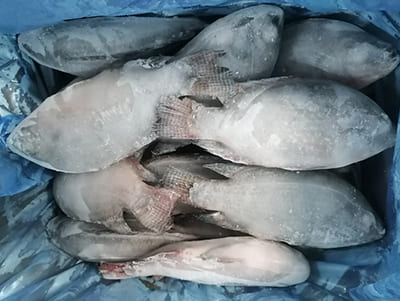
Frozen tilapia is a global favorite, but finding top-quality tilapia isn’t always easy. As an importer, you want to offer your customers a product that’s consistently fresh and high in quality and keeps them returning for more. Here’s my guide to help you identify high-quality frozen tilapia and make the right choices.
To identify high-quality frozen tilapia, look for a firm texture, clear packaging, and no off-odors. Quality tilapia should retain its color without any freezer burn and display uniform sizes within the package. Avoid fish with excessive ice crystals or damaged packaging, which can signal poor handling or storage.
Please keep reading to find the exact indicators of quality you should look for before committing to a supplier.
What Are the Visual Signs of High-Quality Frozen Tilapia?
When it comes to fish, the eyes may not lie—but neither does good packaging. Quality tilapia starts with a look that signals freshness.
Check for vibrant color, a smooth texture, and clear packaging with no signs of freezer burn or excessive ice crystals. Packaging should be tightly sealed to prevent air exposure, which can cause the fish to lose its natural texture and flavor.
Recognizing Freshness by Color and Texture
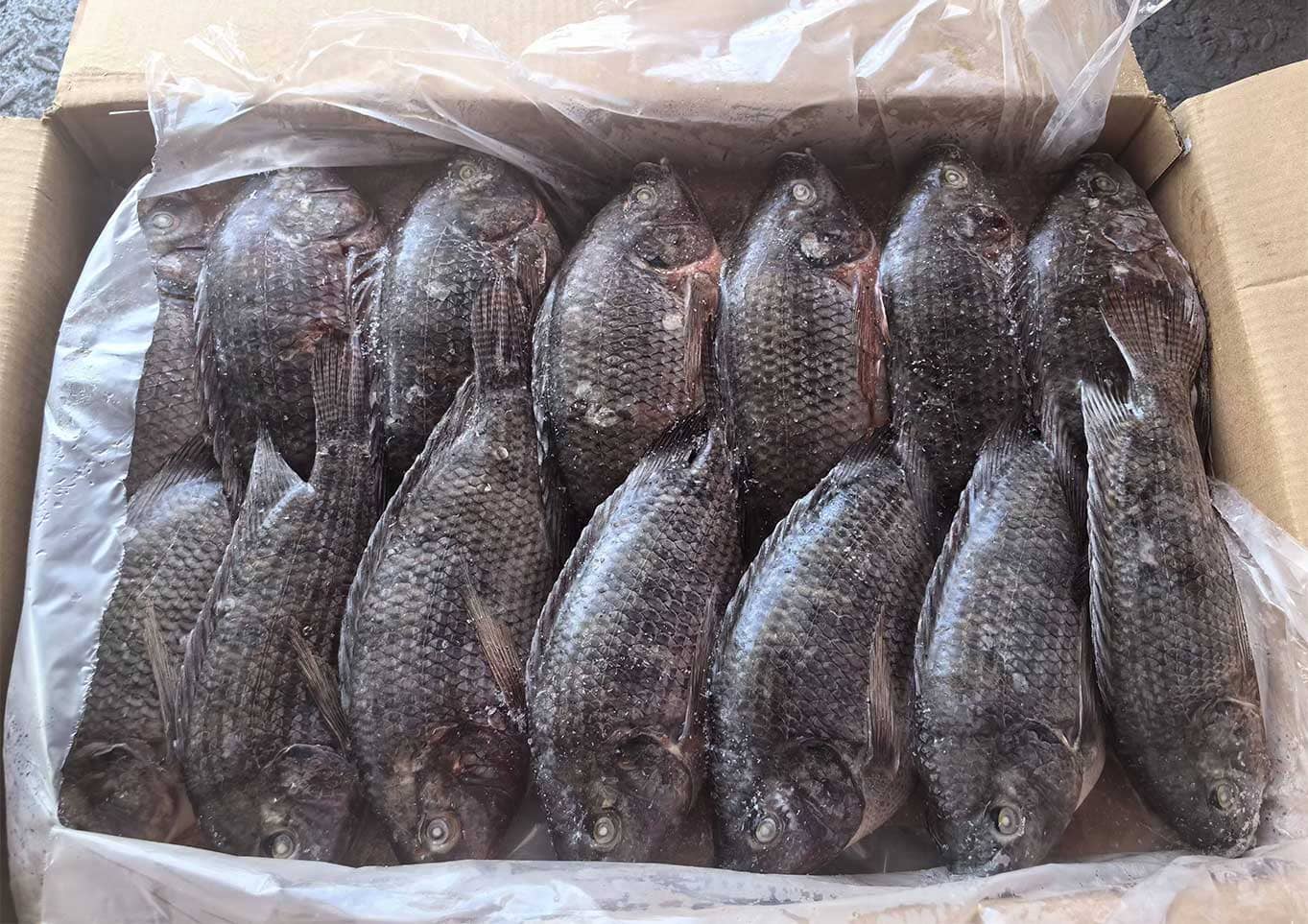
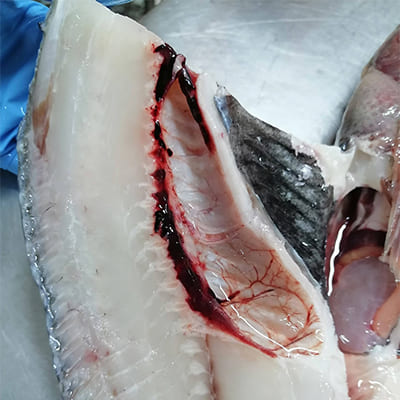
When I first started, I would spend ages just trying to figure out how to spot quality frozen fish. Then, a veteran buyer told me, "If it doesn’t look right, it probably isn’t." Look for flesh that appears a natural, pale pink or white—these are the signs of a well-frozen tilapia. If it looks discolored or even grayish, that’s a red flag. The texture is crucial, too; quality fish is firm to the touch. If you can see through the packaging and notice a mushy or slimy appearance, that’s another sign to steer clear.
Packaging: The Ultimate Indicator
Good packaging is more than a plastic bag; it’s your first defense against poor-quality fish. Frozen tilapia should be vacuum-sealed or tightly packed to lock out air and prevent freezer burn, which can dry out the fish. Excessive ice crystals inside the packaging can also indicate improper freezing, and nobody wants to serve or sell fish that’s been mishandled.
| Quality Indicators | Signs to Watch For |
|---|---|
| Color | Natural pale pink or white |
| Texture | Firm, smooth, no slimy appearance |
| Packaging | Clear, tight, no excessive ice crystals |
How Important is the Smell When Checking Tilapia?
Let’s talk smell—yes, even frozen fish should pass a sniff test.
Fresh frozen tilapia shouldn’t have a strong odor. A mild, almost neutral smell indicates quality, while a strong “fishy” odor suggests poor handling or age.
As strange as it might sound, this is one of the most reliable ways to judge quality. If it’s too fishy, it’s best to avoid it.
Deciphering the “Smell Test”
I remember the first time I encountered a batch that smelled… off. It wasn’t an overpowering scent, but it didn’t feel right either. Tilapia should smell fresh, even when frozen. If you catch even a hint of a sour or overly fishy odor, it could mean the fish hasn’t been stored properly or sitting for too long. Quality tilapia usually has a very light, almost undetectable aroma—nothing too strong or unpleasant.
Why is Consistency in Size and Shape Important?
A good batch of tilapia is like a set of well-matched puzzle pieces—similar in size and shape.
Uniformity in size and thickness ensures even cooking, making the fish look more appealing and easier to manage for distributors. Look for fish that aren’t wildly different in size within a single package.
Uniformity is something that experienced buyers notice right away. It’s not just about aesthetics; it also impacts taste and cooking quality.
Quality Over Quantity: Why Size Matters
Imagine receiving a package with some pieces being tiny and others being thick fillets. Uneven sizing can lead to inconsistent cooking times, which is less than ideal for any distributor or chef. Suppliers that care about quality take the time to provide a consistent product, which shows that they are selective with their fish.
What Role Does Proper Freezing Play in Quality?
Freezing isn’t just about preserving fish; it’s about capturing quality at its peak.
Proper freezing involves flash-freezing techniques that keep the texture and taste intact. Please be sure to look for suppliers who use high-quality freezing methods to prevent ice crystals, which can damage the fish and affect flavor.
When done right, freezing can keep fish at peak quality for months. If done poorly, it can ruin the product.
The Impact of Freezing Techniques on Taste and Texture
Freezing methods matter—a lot. When fish is flash-frozen at peak freshness, it preserves the natural taste and texture. If you’re sourcing from suppliers, ask about their freezing processes. Flash freezing prevents the formation of large ice crystals, which can damage cell structure and leave the fish mushy once thawed. Suppliers that use advanced freezing techniques show professionalism and commitment to quality.
Conclusion
Quality is in the details when it comes to frozen tilapia. By focusing on color, texture, smell, size consistency, and freezing methods, you’ll be better equipped to spot high-quality fish every time. At Youngforfishery, we aim to help you find the best quality fish that keeps customers happy—and coming back for more.