Skip to content
You're not alone if you've ever wondered how to tell these two popular fish apart.
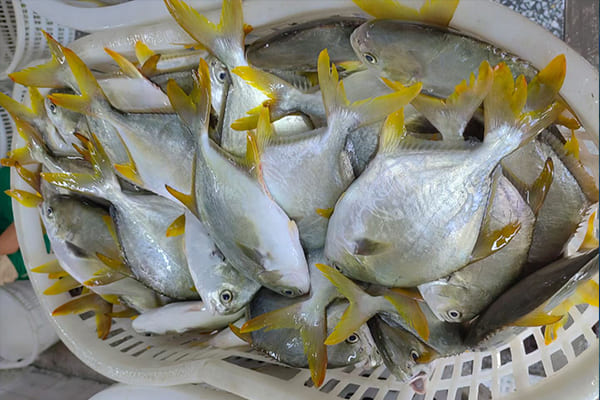
Golden pompano and tilapia differ in appearance, taste, and habitat. Golden pompano has a shiny, golden hue and is rich in flavor, while tilapia is more muted in color with a milder taste.
Understanding these distinctions can make all the difference in your seafood choices.
What Are the Visual Differences Between Golden Pompano and Tilapia?
Their looks can be a big clue when you're eyeing these fish at the market or in catalogs.
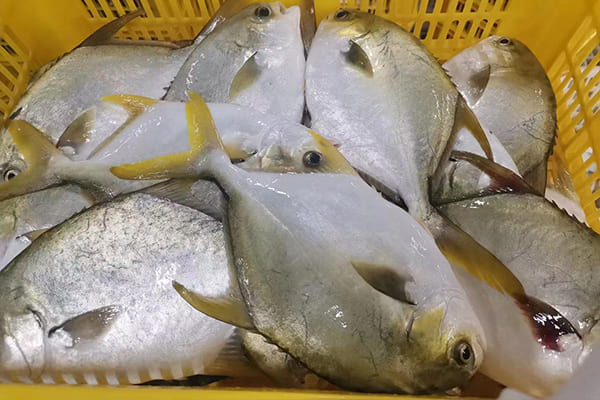
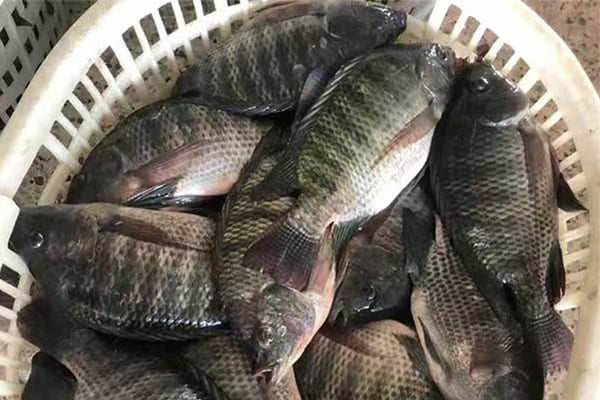
Golden pompano typically has a bright, golden sheen with a rounder body, whereas tilapia sports a more silver or gray color with a flatter, elongated shape.
Spotting the Differences
- Golden Pompano:
- Color: Bright golden or yellowish tint.
- Shape: Rounded body with a more pronounced belly.
- Fins: Shorter fins compared to body size.
- Tilapia:
- Color: Silver to gray, sometimes with dark vertical stripes.
- Shape: Flatter and more elongated.
- Fins: Longer dorsal fins that run along the back.
Recognizing these visual cues can help you quickly identify each fish, making selection easier for suppliers and wholesalers.
How Do Their Tastes and Textures Compare?
Taste is a significant factor, mainly if you're catering to specific markets.
Golden pompano offers a rich, buttery flavor with firm, succulent flesh, making it ideal for gourmet dishes. Tilapia has a milder taste and softer texture, perfect for everyday meals and versatile recipes.
Flavor Profiles
- Golden Pompano:
- Taste: Rich and buttery.
- Texture: Firm and flaky.
- Ideal For: Grilling, steaming, and high-end cuisine.
- Tilapia:
- Taste: Mild and slightly sweet.
- Texture: Tender and less dense.
- Ideal For: Frying, baking, and affordable meals.
Understanding these differences helps factories and suppliers cater to the preferences of different consumer bases.
Where Are They Farmed and Sourced?
The origin of the fish can impact quality, availability, and pricing.
Golden pompano is often farmed in seawater cages along the Chinese coast, ensuring a steady supply for the frozen fish market. Tilapia is typically cultivated in freshwater ponds and is one of the most widely farmed fish globally, including in China and Africa.
Farming Methods
| Fish | Farming Environment | Common Regions |
|---|---|---|
| Golden Pompano | Seawater cages | Coastal China |
| Tilapia | Freshwater ponds | China |
These different farming practices influence the fish's taste and texture and how suppliers and wholesalers manage their supply chains.
Which Fish is Better for Your Business Needs?
Choosing between the two depends on your market and customer preferences.
If you're targeting a market that appreciates premium seafood with a rich flavor, golden pompano is the way to go. For a more budget-friendly, versatile, and widely accepted option, tilapia might be the better choice.
Factors to Consider
- Market Demand: Understand what your customers prefer.
- Pricing: Golden Pompano may be higher in price due to its premium quality.
- Supply Availability: Tilapia generally has a more consistent supply.
By aligning your selection with your business goals, you can make informed decisions that benefit you and your customers.
Conclusion
Distinguishing between golden pompano and tilapia involves recognizing their differences in appearance, taste, and sourcing. Whether you're a supplier, wholesaler, or factory owner, understanding these nuances ensures you provide the best quality fish to meet your clients' needs.
Brand Name: Youngfor
Slogan: Supply the best quality fish for your fish business
Website: www.Youngforfishery.com