Skip to content
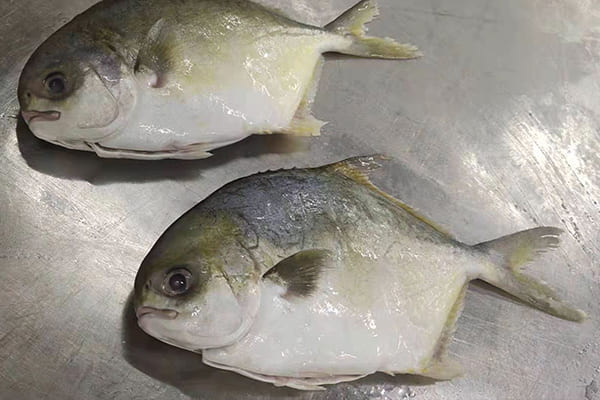
I remember standing at the fish market, staring at two nearly identical fish and wondering, "How can I tell which is which?" Golden and silver pompano can look similar, but knowing the differences is critical, especially if you're in the seafood business.
Golden and silver pompano differ in color, shape, and habitat. Golden pompano has a golden hue along its body and fins, while silver pompano is more uniformly silver. Golden pompano is often farmed in seawater cages, while silver pompano is usually wild-caught. Recognizing these differences helps suppliers, wholesalers, and factories choose the right frozen fish for their needs.
But let's dive deeper to understand exactly how to tell them apart.
What Are the Visual Differences Between Golden and Silver Pompano?
At first glance, both fish have a shiny, metallic appearance, but there are subtle cues.
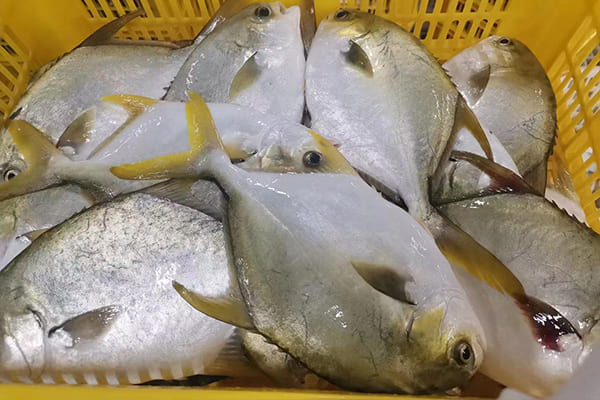
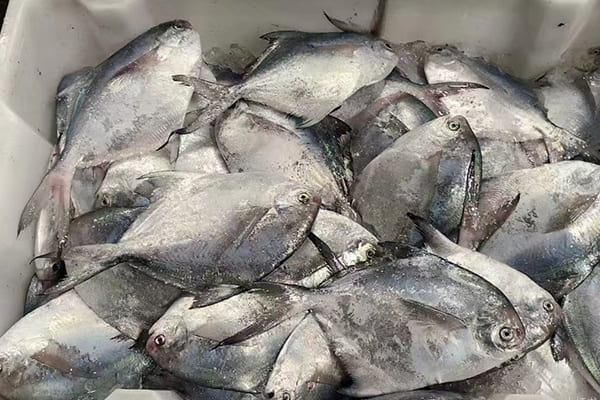
Golden pompano typically features a golden or yellowish tint on its fins and along its body, whereas silver pompano maintains a consistent silver color throughout.
This color distinction is one of the easiest ways to differentiate them.
Spotting the Color Variations
- Golden Pompano:
- Golden-yellow tint on dorsal and tail fins.
- Slight golden hue along the sides.
- Silver Pompano:
- Uniform silver or gray color.
- No distinct golden markings.
You can confidently identify each species by paying close attention to these color details.
How Do Their Shapes and Sizes Compare?
Their body shapes offer another clue.
Golden pompano tends to have a more rounded, deeper body, while silver pompano is slightly more elongated and flattened.
This difference affects how they are processed and sold by suppliers and wholesalers.
Understanding the Body Structure
- Golden Pompano:
- Rounded body with a deeper profile.
- Thick flesh, ideal for various cooking methods.
- Silver Pompano:
- More elongated and flatter body.
- Slightly thinner flesh.
Recognizing the shape can help factories decide the best way to process and package the fish.
Where Are They Sourced and How Are They Farmed?
Knowing the origin can influence your purchasing decisions.
Golden pompano is often farmed in China using seawater cages, providing a consistent supply for the frozen fish market. Silver pompano is typically wild-caught, leading to more seasonal availability.
Farming and Sourcing Practices
- Golden Pompano:
- Farmed in seawater cages in coastal China.
- Reliable supply for suppliers and factories.
- Silver Pompano:
- Wild-caught from open waters.
- Availability may fluctuate.
Understanding their sourcing helps wholesalers plan inventory and meet customer demand.
How Do Their Culinary Uses Differ?
The taste and texture can vary between the two.
Golden pompano has a rich, buttery flavor with firm flesh, making it versatile for grilling, baking, or steaming. Silver pompano offers a milder taste and tender texture, suitable for frying or delicate dishes.
Culinary Applications
- Golden Pompano:
- Firm flesh holds up well in cooking.
- Popular in restaurants and gourmet recipes.
- Silver Pompano:
- Tender meat is ideal for quick cooking methods.
- Favored in traditional and home-style dishes.
Knowing these preferences can help suppliers and wholesalers cater to specific markets.
Conclusion
Telling golden and silver pompano apart comes down to noticing the subtle differences in color, shape, and origin. By understanding these distinctions, you can make informed choices, whether you're a supplier, wholesaler, factory owner, or someone who loves quality frozen fish.
Brand Name: Youngfor
Slogan: Supply the best quality fish for your fish business
Website: www.Youngforfishery.com