
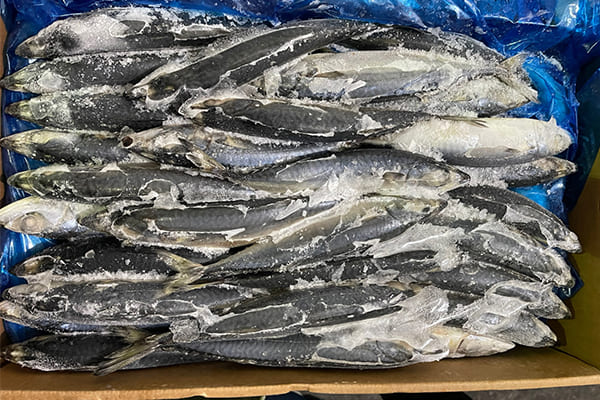
I still remember the day when a tiny difference in fish size almost cost me a significant deal. It was then I realized just how crucial the specifications of Pacific Mackerel are in our line of work.
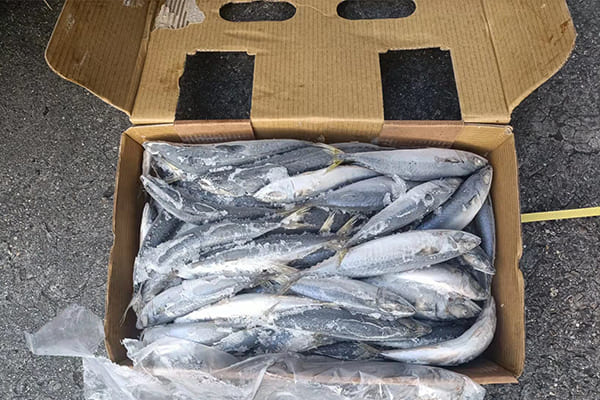
Pacific Mackerel specifications range from 50-100g to 500g and above. These sizes—50-100g, 100-200g, 200-300g, 300-500g, and 500g up—are vital for suppliers, wholesalers, and factories to meet exact market demands and ensure consistent quality.
Let's go ahead and unpack these specifications together so you can safely navigate your business.
What Are the Standard Size Categories for Pacific Mackerel?
Have you ever thought a few grams wouldn't make a difference? Think again.
The standard size categories for Pacific Mackerel are:
- 50-100g
- 100-200g
- 200-300g
- 300-500g
- 500g up
Making Sense of the Sizes
In my experience, matching the right size to the right customer is like matching a key to a lock—it just fits. Here's how these sizes typically break down:
| Size Category | Weight Range (grams) | Ideal Use |
|---|---|---|
| Small | 50 - 100 | Canning, pet food, bait |
| Medium Small | 100 - 200 | Whole fish sales, supermarkets |
| Medium | 200 - 300 | Fillets for restaurants |
| Large | 300 - 500 | Steaks, grilling, smoking |
| Extra Large | 500g up | Specialty markets, export |
These categories help suppliers, wholesalers, and factories deliver precisely what the market wants.
Why Do Specifications Matter So Much for Suppliers and Wholesalers?
Because details can make or break a deal.
For suppliers and wholesalers, precise specifications mean fulfilling orders accurately, keeping clients happy, and avoiding costly mistakes.
The Real-World Impact
A supplier once sent me a shipment without adhering to the specified sizes. Let's say it led to some tense conversations and lost time. Since then, I've ensured that specifications are crystal clear from the start.
Benefits of clear specs include:
- Reduced Errors: Less room for misunderstandings.
- Increased Trust: Clients appreciate reliability.
- Better Planning: Helps in inventory and logistics management.
How Do Factories Adjust Processing Based on Size?
Not all mackerel are created equal, and factories know it.
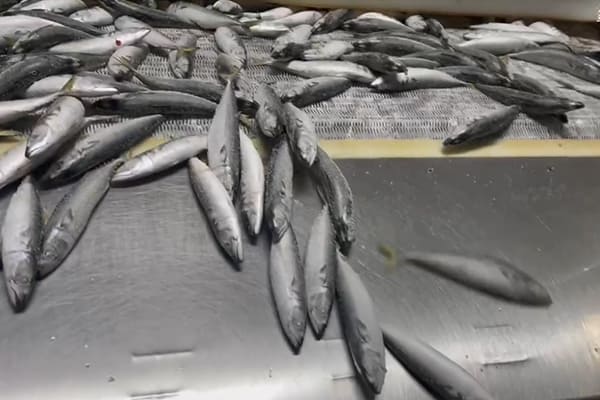
The factory has automatic size-sorting machines to facilitate the distinction of mackerel sizes.
Factories modify their processing methods to suit each size category, ensuring optimal quality and yield.
Customized Processing Techniques
For the smaller guys (50-100g):
- Whole Processing: Perfect for canning or bait.
- Minimal Intervention: Keeps the fish intact.
For the big ones (300g and up):
- Filleting: Ideal for boneless products.
- Steaking: Great for grilling or smoking.
By tailoring the processing, factories help suppliers and wholesalers meet diverse customer needs.
What Should Importers Keep an Eye On?
Importers need to be detail-oriented detectives.
When ordering Pacific Mackerel, consider size specifications, quality standards, packaging, and your supplier's or factory's reliability.
Your Checklist
From countless conversations with clients, here are the top ones:
- Consistency in Size: Avoid surprises when the shipment arrives.
- Reliable Suppliers: Good communication can save you headaches.
- Proper Packaging: Ensures the fish arrives in top condition.
Attention to these details can distinguish between a successful venture and a logistical nightmare.
Conclusion
Navigating the specifications of Pacific Mackerel can be simple. By understanding size categories and how they affect processing and market suitability, you can make informed decisions that benefit your business. At Youngfor, we're more than just a supplier—we're your partner in delivering the best quality fish for your fish business.