Skip to content
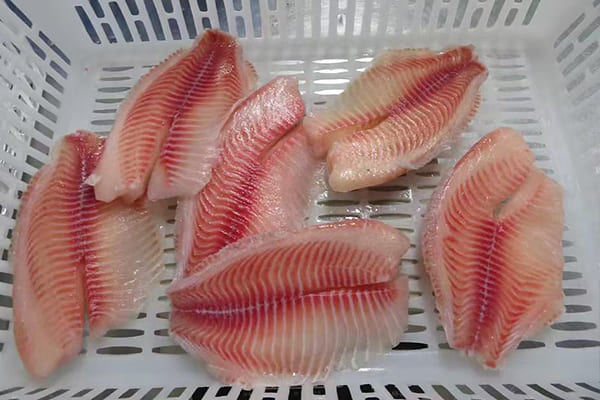
Have you wondered what happens inside a tilapia fillet processing plant? I've spent countless hours in these facilities, and let me tell you, it's a fascinating journey from fresh catch to the frozen fillets you know and love.
Tilapia fillet processing involves steps like receiving fresh fish, bleeding, filleting, optional skinning, trimming, inspecting for bones, grading by size, washing, arranging on trays, quick freezing, optional glazing, secondary freezing, precise weighing and packing, metal detection, labeling, and finally, cold storage. Each step is crucial to ensure quality and safety.
Are you curious how each step adds up to that perfect fillet? Let's dive in.
What Are the Initial Steps in Processing Tilapia Fillets?
The process kicks off the moment the fish arrives at the plant.
First, we receive and inspect the fresh tilapia to ensure they're top-quality. Then, we bleed the fish to remove impurities, followed by filleting to separate the meat from the bones.
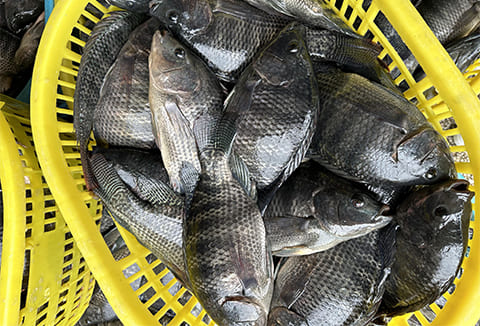
Receiving and Inspection
When those trucks roll in, it's like greeting an old friend. We check for vibrant eyes, firm flesh, and a clean scent—signs of freshness. It's like picking the best apples at the market; you know when they're good.
Bleeding the Fish
Bleeding might sound harsh, but it's essential. We improve the meat's color and shelf life by carefully cutting near the gills and allowing the blood to drain. It's a small step that makes a big difference.
Filleting with Precision
Our skilled team then fillets the fish, separating the succulent meat from the bones. It's an art form. I've watched them work with such precision—it never ceases to amaze me.
Is Skinning the Fillets Necessary?
Whether to skin the fillets depends on what our customers prefer.
Skinning is optional in tilapia processing. Some markets demand skinless fillets for ease of cooking, while others prefer skin-on for added flavor and presentation.
To Skin or Not to Skin
I once had a client who insisted on skin-on fillets because his customers loved the crispy texture it gave when grilled. Another client preferred skinless for delicate dishes. We cater to both because it's about what you need.
How We Skin the Fillets
When skinning is requested, we use specialized equipment that gently removes the skin without damaging the flesh. It's quick and keeps the fillet intact and beautiful.
How Do We Ensure Quality During Trimming and Grading?
Quality control is at the heart of everything we do.
We trim the fillets to remove any remaining bones or imperfections and grade them by size and appearance. This ensures consistency and meets specific customer requirements.
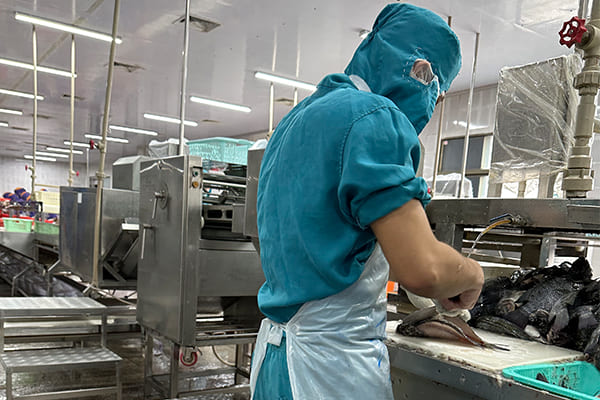
The Trimming Process
Our team meticulously inspects each fillet, feeling for tiny bones and trimming any rough edges. It's like giving the fish a little makeover, ensuring it's perfect before moving on.
Grading for Consistency
Grading is crucial. We make sure every package is consistent by sorting the fillets into categories based on size and weight. It's something that wholesalers and retailers appreciate.
| Grading Category | Weight Range (OZ) |
|---|---|
| Size | 2 - 3 |
| Size | 3 - 5 |
| Size | 5 - 7 |
| Size | 7 - 9 |
| Size | 9 - 11 |
| Size | 11 oz up |
What Happens During Freezing and Packaging?
The final steps are all about preserving that freshness we started with.
We wash the fillets thoroughly, arrange them on trays, and quickly freeze them to ensure freshness. Optional glazing adds a protective layer. Then, we proceed to secondary freezing, precise weighing and packing, metal detection, labeling, and storage in cold storage.
Quick Freezing for Freshness
By freezing the fillets rapidly, we prevent ice crystals from forming, which can damage the meat's texture. Think of it as capturing the fish at its peak moment.
Optional Glazing
Sometimes, we add a thin layer of ice over the fillet—a process called glazing. This acts like a shield against freezer burn. It's optional but highly recommended for more extended storage.
Weighing and Packing with Care
Accuracy matters. We weigh each package to ensure you're getting exactly what you ordered. Then, we pack them securely to maintain quality during transit.
Safety First: Metal Detection
Before the packages leave our facility, they pass through a metal detector. It's a safety net to catch unwanted surprises, ensuring the product is safe for your customers.
Conclusion
From the moment the fresh tilapia arrives to the final packaged product, every step is handled with care and precision. It's a labor of love that ensures you receive the highest. Quality fillets for your business. At Youngfor, we're not just processing fish but delivering quality you can trust.