Skip to content
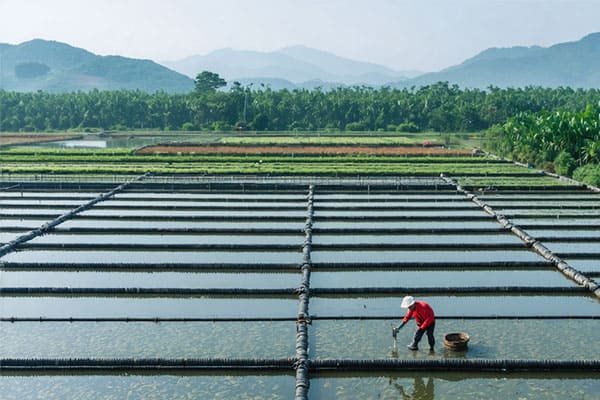
One of the first questions people ask about tilapia is whether it's a freshwater or saltwater fish. The answer? Tilapia is naturally a freshwater fish. You’ll typically find it in lakes, rivers, and ponds, environments it’s ideally suited for. Although some farming methods may use slightly brackish (mildly salty) water, tilapia thrives in freshwater environments.
Tilapia is a freshwater fish that naturally lives in lakes, rivers, and ponds. While it can adapt to brackish water in controlled farming setups, tilapia isn’t a saltwater fish.
Understanding tilapia’s preference for freshwater is critical to understanding why it’s farmed the way it is and why it’s become a global staple on dinner plates worldwide.
Why Is Tilapia Considered a Freshwater Fish?
Tilapia’s biology is perfectly adapted to freshwater. From gills to kidney function, this fish is built to live in water with low or no salt.
Tilapia is classified as a freshwater fish because its body is designed to thrive in low-salinity environments like lakes, rivers, and ponds.

How Freshwater Suits Tilapia
In freshwater, tilapia can maintain a healthy balance of salts within its body thanks to its highly efficient kidney system. In contrast, saltwater would require tilapia to work much harder to regulate these levels, causing stress and affecting its overall health. This is why tilapia farms use clean, well-maintained freshwater sources to grow the fish—keeping it as close to its natural habitat as possible.
| Environment | Effect on Tilapia |
|---|---|
| Freshwater | Optimal health and natural growth |
| Brackish | Some tolerance, but needs careful monitoring |
| Saltwater | Not suitable; causes stress and health issues |
Can Tilapia Survive in Brackish Water?
Yes, tilapia's adaptability allows it to survive in brackish water, though it’s not ideal for the fish. Brackish water is a blend of freshwater and saltwater, and it’s sometimes used in farming when fresh water is limited.
Tilapia can live in brackish water, but it requires careful salinity control to avoid stress and ensure the fish remains healthy.
Managing Brackish Conditions for Tilapia
Some farms use salty water, but it takes careful management. Farmers must keep the salt levels low and consistently monitor the water quality. Too much salt stresses the fish, impacting their growth and taste. This setup is more common in regions where freshwater is scarce, and despite the challenges, tilapia’s mild resilience makes it possible. However, most commercial farms still prefer pure freshwater for best results.
| Water Type | Suitability for Tilapia |
|---|---|
| Freshwater | Highly suitable; ideal for growth and health |
| Brackish | Possible but requires careful monitoring |
| Saltwater | Not suitable; can lead to poor fish health |
How Does Freshwater Affect Tilapia’s Quality?
Freshwater plays a significant role in tilapia’s mild, adaptable taste, which makes it popular in kitchens worldwide. Unlike saltwater fish with a more intense flavor, freshwater tilapia has a gentle, delicate taste that works well in various dishes.
Tilapia raised in freshwater has a mild flavor and tender texture, making it versatile for different cooking styles and recipes.
Flavor, Texture, and Cooking Potential
Freshwater gives tilapia a subtle flavor profile that’s almost a blank canvas for spices, sauces, and seasonings. It’s not “fishy” at all, so it’s a favorite among chefs and home cooks. And because freshwater-raised tilapia has a tender, easy-to-cook texture, you can bake, grill, or fry it without overpowering the other flavors in your dish.
| Quality Aspect | Effect of Freshwater |
|---|---|
| Flavor | Mild and versatile |
| Texture | Tender, ideal for various recipes |
| Culinary Flexibility | Blends well with spices and sauces |
Why Choose Freshwater Tilapia?
Choosing freshwater tilapia isn’t just about flavor—it’s also about sustainability. Freshwater farming methods are more eco-friendly, requiring fewer resources and often less intensive setups than saltwater systems.
Freshwater tilapia farming is sustainable and environmentally friendly, aligning with fish welfare and eco-conscious farming practices.
The Environmental Benefit of Freshwater Farming
Raising tilapia in freshwater ponds, lakes, or even reservoirs allows for natural waste recycling and water usage. Tilapia farms don’t require extensive desalination processes, which reduces energy costs and makes the farming process more efficient. With methods like rice field farming, tilapia even helps fertilize crops, creating a sustainable, symbiotic relationship with the land.
At YANGHUA, we believe that choosing tilapia raised in freshwater environments aligns with our mission of quality and sustainability. Freshwater farming supports the natural biology of tilapia, offering a healthy, high-quality product that’s both good for consumers and respectful of the environment.
Conclusion
Tilapia is naturally a freshwater fish, and this environment plays a crucial role in its health, flavor, and sustainability. Freshwater farming supports tilapia’s natural biology, making it the best choice for high-quality, eco-friendly fish. At YANGHUA, we proudly offer freshwater tilapia that meets our high standards for quality, ensuring you get the best fish for your business.