
Regarding farming tilapia, the approach matters as much as the fish itself. From traditional ponds to innovative rice field methods, tilapia farming methods vary widely, and each method brings out something unique in the fish. How tilapia is raised directly impacts its flavor, texture, and quality.So, what are these methods, and why do they make such a difference?
Tilapia farming methods include pond farming, rice field farming, reservoir breeding, cage farming, and factory setups.
These diverse methods allow farmers to meet the demands of different markets while respecting the natural needs of tilapia. Here’s a look at what each farming method entails.
How Does Pond Farming Work for Tilapia?
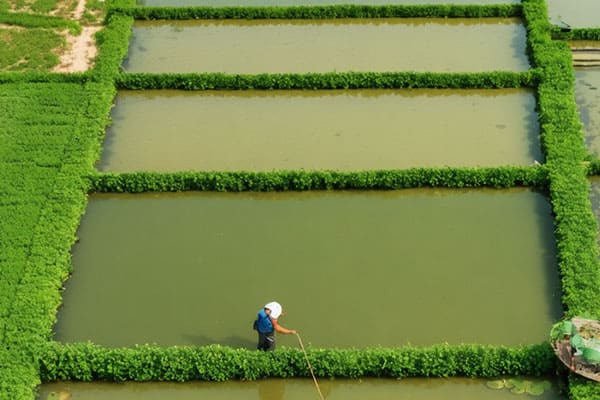
Pond farming is probably the oldest and most common method of raising tilapia worldwide. The method is as simple as it sounds: tilapia are raised in carefully managed ponds.
In pond farming, tilapia are grown in large, shallow ponds where water quality and fish health are closely monitored, creating an environment that resembles their natural habitat.
Why Pond Farming Works
Pond farming offers tilapia a spacious, low-stress environment. Farmers monitor and control water quality, nutrient levels, and even algae growth to ensure a healthy, natural space for the fish to thrive. Tilapia grows steadily, developing a firm texture and a mild flavor that customers love. The pond setup enables easy waste management, making it a sustainable choice.
| Benefits of Pond Farming | Description |
|---|---|
| Natural Environment | Closely resembles the fish’s natural habitat |
| Low-Stress Growth | Promotes healthy, high-quality fish |
| Sustainable Waste Management | Environmentally friendly setup |
What Is Rice Field Farming?
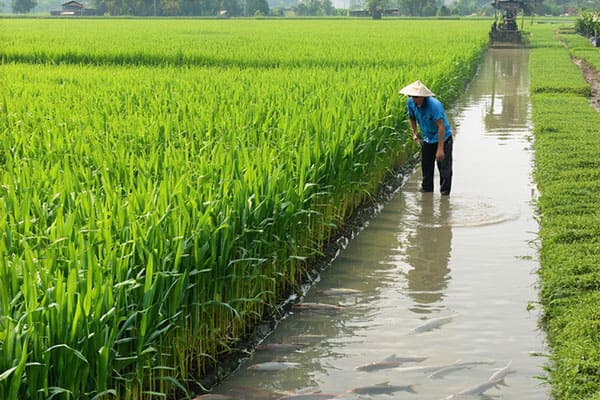
Rice field farming is an innovative, eco-friendly approach where tilapia are raised in rice paddies alongside the rice crop. This method is standard in China and Southeast Asia, combining aquaculture and agriculture.
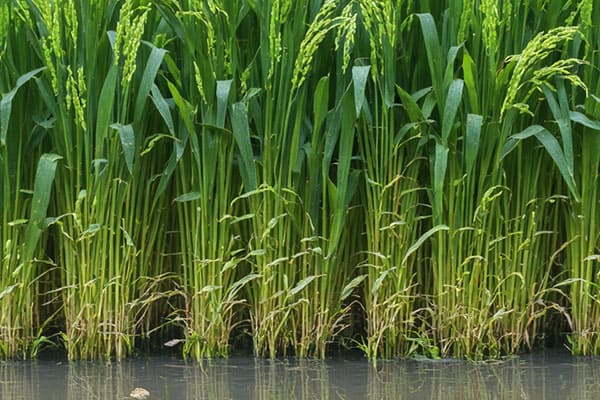
In rice field farming, tilapia and rice grow together, creating a sustainable system where the fish fertilize the rice, and the rice provides shade and a natural habitat for the fish.
The Mutual Benefits of Fish and Rice
The rice paddies provide a unique ecosystem where fish and plants benefit each other. Fish waste enriches the water with nutrients that help the rice grow, while the rice plants offer shade and protection to the fish. Farmers also reduce or eliminate the need for chemical fertilizers, making it an organic approach to farming. The fish raised in rice fields tend to have a unique, delicate taste due to their natural diet of algae and insects.
| Rice Field Farming | Advantages |
|---|---|
| Eco-Friendly | Reduces need for chemical fertilizers |
| Natural Diet for Fish | Fish eat algae and insects, adding flavor |
| Mutual Crop Benefits | Fish fertilize rice, rice provides shade |
How Does Reservoir Breeding Work?
Reservoir breeding is a large-scale method for raising tilapia in vast, open reservoirs. These reservoirs are typically naturaartilficialmade lakes that can hold thousands of fish at once.
Reservoir breeding involves raising tilapia in expansive water bodies, which provide a natural, open environment similar to wild conditions.
The Benefits of a Natural Habitat
In reservoirs, tilapia have room to swim freely, feeding on naturally occurring algae and other organisms. This environment helps them develop a texture and flavor closer to wild-caught fish. The method requires less human intervention, as the reservoir helps maintain water quality and nutrient levels. However, this large-scale approach can be challenging to manage due to the size of the water body, and it requires careful monitoring to prevent the spreading of spreading disease.
| Benefits of Reservoir Breeding | Description |
|---|---|
| Natural Environment | Mimics wild conditions |
| Less Human Intervention | Lower maintenance with natural filters |
| Wild-Like Texture and Flavor | Closer to wild-caught fish quality |
What Is Cage Farming in Tilapia Production?
Cage farming is a technique where tilapia are raised in large cages placed in lakes, rivers, or coastal areas. The fish are confined to specific. spaces, allowing farmers to closely monitor and manage their growth.
In cage farming, tilapia are raised in floating cages in natural water bodies, benefiting from the water’s natural flow while remaining in a controlled area.
Combining Control and Natural Flow
Cage farming provides tilapia with the benefits of natural water flow, which helps prevent disease by keeping waste away from the fish. The cages also keep the fish safe from predators and allow easy access for feeding and maintenance. This method is common in areas with access to large, natural water bodies, and is ideal for meeting high demand due to the controlled setup and rapid growth.
| Cage Farming | Advantages |
|---|---|
| Controlled Space | Easier to monitor and maintain fish health |
| Natural Water Flow | Reduces disease spread through circulation |
| Safe from Predators | Fish are protected within the cage system |
How to factory farm tilapia?
Factory farming tilapia requires a well-designed setup that emphasizes control and efficiency at every stage of the fish's life cycle. By using recirculating aquaculture systems (RAS) or similar setups, farmers can precisely manage water quality, temperature, oxygen levels, and feeding schedules to optimize growth and maintain fish health.
To factory farm tilapia, you need a carefully managed environment with recirculating water systems, automated feeding, and constant monitoring to ensure optimal growth and fish welfare.
Factory setups are ideal for high-volume production, where consistency and biosecurity are top priorities.
Essential Equipment Breakdown
- Tanks: Large, durable tanks are essential for holding tilapia at each stage of growth.
- Recirculating Water System (RAS): This system filters and reuses water, ensuring consistent quality and reducing water use.
- Filtration Systems: Mechanical and biological filters keep the water clean and free of contaminants.
- Oxygenation Equipment: Oxygen injectors or aerators ensure proper oxygen levels.
- Automated Feeders: Feeders on a set schedule reduce labor and ensure consistent feeding.
| Equipment | Purpose |
|---|---|
| Tanks | Holds fish at different growth stages |
| Recirculating Water System | Reuses and filters water, reducing waste |
| Filtration Systems | Keeps water clean, removes contaminants |
| Oxygenation Equipment | Maintains oxygen levels essential for growth |
| Automated Feeders | Ensures consistent feeding schedules |
Conclusion
Each farming method offers something unique, tailored to the fish’s needs and the market’s demands. From the eco-friendly rice fields to the expansive reservoirs, these methods provide quality, sustainable options for tilapia farming. At YANGHUA, we prioritize these diverse, effective approaches to ensure that our tilapia is raised in the best conditions, giving our customers high-quality, responsibly sourced fish.