
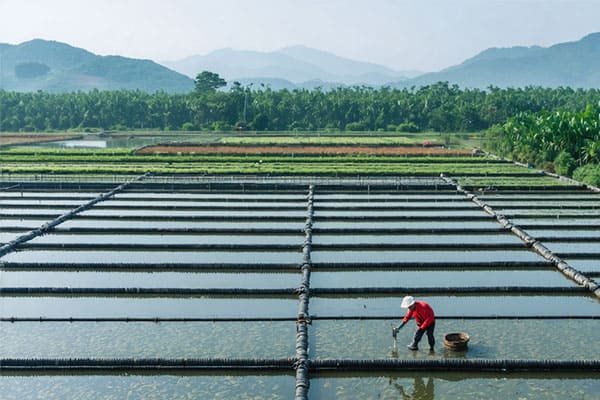
When people think about where tilapia comes from, China might not be the first place that pops into their heads. But here’s the surprise—China is one of the largest producers of tilapia! It’s an industry deeply rooted in tradition yet fueled by modern farming techniques and the expertise of farmers who know their craft inside and out.
A significant portion of the world's tilapia comes from China. With its vast fish farms and advanced aquaculture practices, China produces millions of tons of tilapia annually, supplying the fish to countries around the globe.
With China’s varied farming techniques and focus on quality, tilapia has become a popular choice for domestic consumption and international trade. But how exactly is tilapia raised in China, and why has it become such a global favorite?
How Did Tilapia Farming Start in China?
Tilapia wasn’t always a significant fish in China. Tilapia farming in China took off in the 1980s. Since then, it has grown into a massive industry, making China one of the biggest exporters of tilapia.
China started large-scale tilapia farming in the 1980s, and today, it’s one of the world's top tilapia producers. Chinese tilapia farms use ponds, rice fields, and reservoirs to focus on sustainable practices.
China's journey with tilapia isn’t just about producing fish; it’s about perfecting an ecosystem. Farmers here understand that every pond, reservoir, or field needs to be balanced, creating an environment where tilapia can thrive naturally.
The Growth of a Global Industry
With the increasing demand for affordable, nutritious fish, tilapia was a natural fit. It’s easy to raise, versatile in recipes, and, most importantly, loved by people worldwide. As tilapia’s popularity grew, Chinese farmers adapted and refined techniques to ensure high-quality production. Today, tilapia is exported globally, from the U.S. to Europe and Africa, with Chinese producers leading the charge.
| Decade | Milestone |
|---|---|
| 1980s | Start of large-scale tilapia farming in China |
| 2000s | China becomes a leading exporter of tilapia |
| Today | China supplies tilapia to markets worldwide |
What Are the Methods of Tilapia Farming in China?
China uses various methods to raise tilapia, each with its benefits. From traditional pond farming to innovative rice field systems, Chinese farms are dedicated to producing high-quality tilapia.
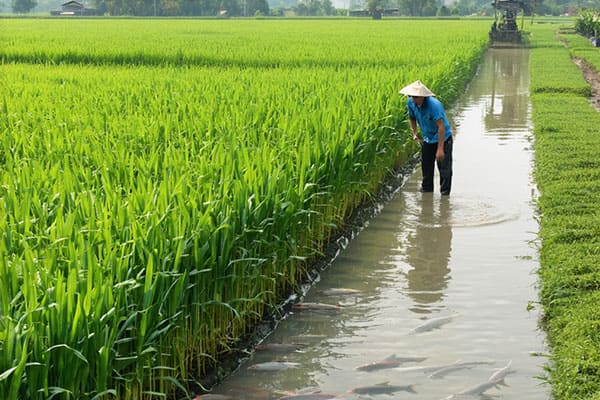
China primarily raises tilapia using pond farming, rice field farming, and cage systems in lakes or reservoirs.
Each method plays a role in ensuring tilapia's quality, safety, and sustainability.
The Diverse Farming Techniques
Chinese farms use methods that work with the land and water resources available. Whether it’s a pond in a rural village or a reservoir shared with other fish species, each system is managed to ensure clean, healthy fish.
- Pond Farming: Most common method; creates a natural environment.
- Rice Field Farming: Sustainable, as fish and rice grow together.
- Cage Systems: Used in lakes and reservoirs for a natural water flow.
| Farming Method | Description |
|---|---|
| Pond Farming | Natural setup with continuous water quality monitoring |
| Rice Field Farming | Eco-friendly, as fish and rice benefit each other |
| Cage Farming | Fish raised in open lakes/reservoirs for a wild-like growth |
Why Do People Choose Chinese Tilapia?
Chinese tilapia has become a top choice for importers worldwide, but what makes it so popular? Its blend of quality, affordability, and consistency makes it a standout in the seafood market.
People choose Chinese tilapia because it’s affordable, safe, and meets high-quality standards.
China’s advanced farming techniques and commitment to quality certifications like FDA, BAP, and ASC ensure that tilapia from China remains a reliable choice for importers and consumers.
Quality and Affordability in Every Bite
Chinese tilapia farms focus on producing fish that are healthy and sustainably raised. These farms ensure that the fish meets global safety standards through certifications like BAP and FDA compliance. That’s why you’ll find Chinese tilapia in markets and restaurants worldwide.
| Reasons for Popularity | Details |
|---|---|
| Affordable | Provides high-quality fish at competelive prices |
| High Quality | Raised with care and under stringent safety measures |
| Versatile | Works well in various cuisines and dishes |
Is Chinese Tilapia Safe to Eat?
Safety is a big question, especially with imported seafood. Fortunately, Chinese farms that export tilapia to countries like the U.S. and Europe must meet strict safety standards.
Yes, Chinese tilapia is safe to eat and is mainly sourced from certified farms. Many Chinese farms adhere to international standards, providing secure, quality fish that’s enjoyed worldwide.
Farms often have certifications like FDA and BAP, ensuring that the tilapia is safe and healthy.
Safety Standards and Certifications
At Youngfor, we understand that our customers expect high standards. We prioritize sourcing tilapia from certified farms that follow strict safety and quality protocols. With certifications like ASC and BAP, our tilapia meets and often exceeds international safety requirements, giving you peace of mind with every bite.
Conclusion
Chinese tilapia has become a staple on tables worldwide thanks to its quality, affordability, and the expertise of Chinese farmers. At YANGHUA, we’re proud to offer tilapia raised with care, ensuring that each fish meets our standards for quality and safety.
Ready to explore the best of Chinese tilapia? You can just dive into our selection at [youngforfishery](https://youngforfishery.com/ "youngforfishery") and discover the quality for yourself.